Delhi Cabinet Approves Ease of Doing Business Bill, 2026
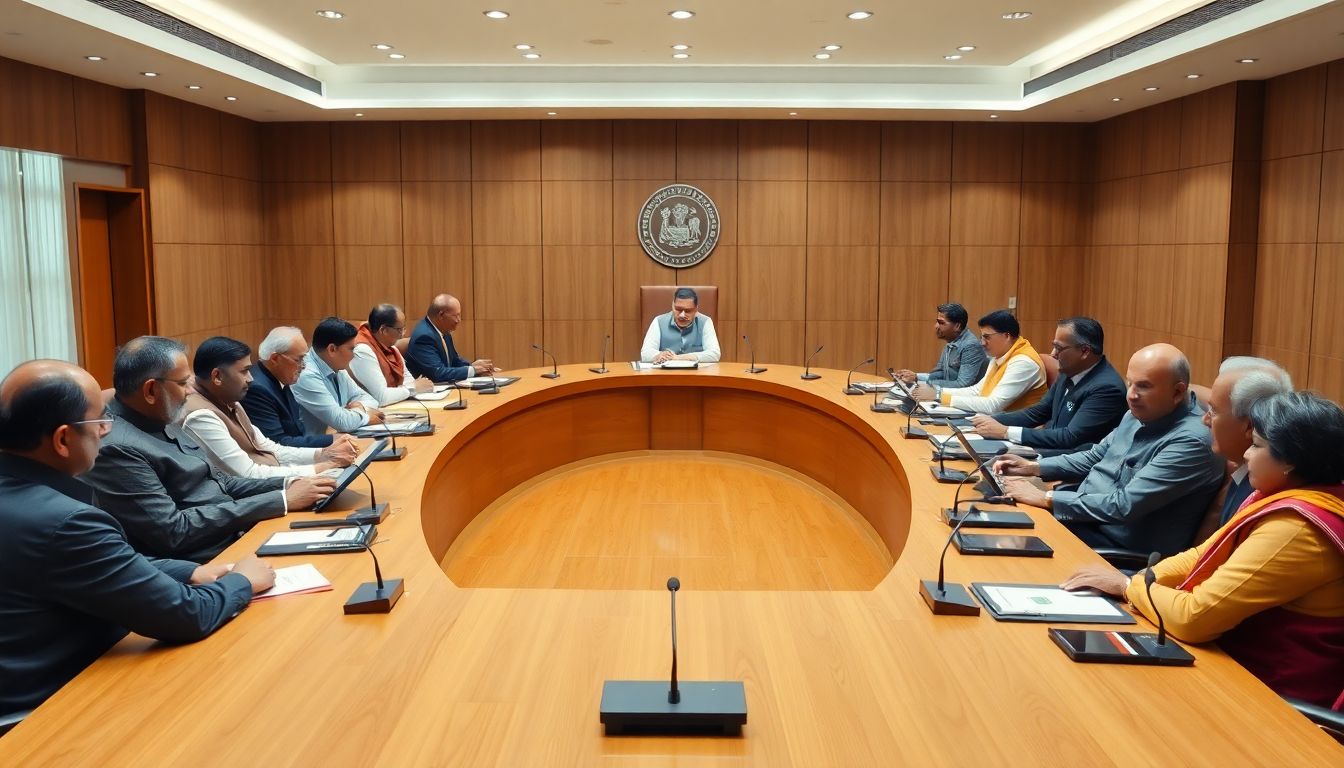
The Delhi Cabinet has approved the Delhi Ease of Doing Business Bill, 2026, aimed at overhauling the existing framework for securing clearances, licences, registrations, and approvals for enterprises in the capital, the Chief Minister’s Office announced on Wednesday.
Chief Minister Rekha Gupta stated that the central feature of the proposed legislation will be a single-window system operated through a simple and user-friendly online platform. Through this portal, businesses can apply for no-objection certificates, consents, licences, and operational clearances. The platform will also handle municipal and utility services, including building plan sanctions, fire-related safety approvals, and connections for water, sewer, and electricity, eliminating the need for entrepreneurs to submit separate applications across multiple government offices.
Under the proposed law, the Delhi State Industrial and Infrastructure Development Corporation will serve as the single nodal agency managing all business approvals through the new portal. Ms. Gupta noted that the initiative seeks to transition the relationship between the government and businesses away from a framework rooted in control and suspicion toward one founded on trust and convenience, cutting down long waiting times and repeated submissions of identical information.
For low-risk commercial activities listed in Schedule 3 of the Bill, approvals, permissions, licences, or no-objection certificates will be granted immediately upon application submission. The government stated that self-declarations will be accepted for specified low-risk categories and ventures falling within prescribed parameters to bypass lengthy verification steps.
The legislation also eliminates duplicate registration requirements for enterprises. Businesses already registered under the Goods and Services Tax, the Food Safety and Standards Authority of India, the Micro, Small and Medium Enterprises Development Act, or labour codes will no longer need separate registrations for trade, health-trade, eating houses, or shops and establishments.
Additionally, the Bill introduces a trust-based compliance model under which registered enterprises will face no routine inspections for three years after initial registration, though inspections may still occur if serious complaints are filed. Following its clearance by the Delhi Cabinet, the Bill will be forwarded to the Union Ministry of Home Affairs.