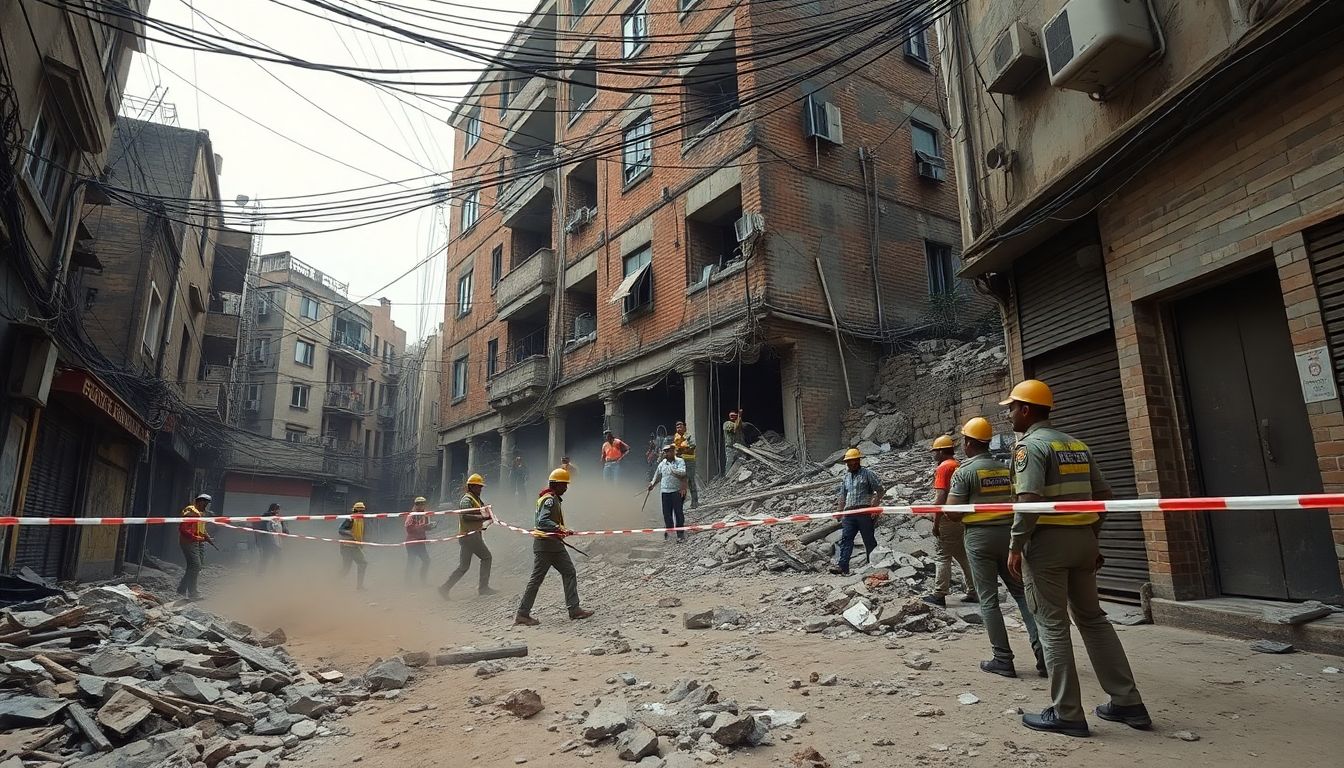
Delhi AQI Reaches 482 In Severe Spike As Chandni Chowk Records 356
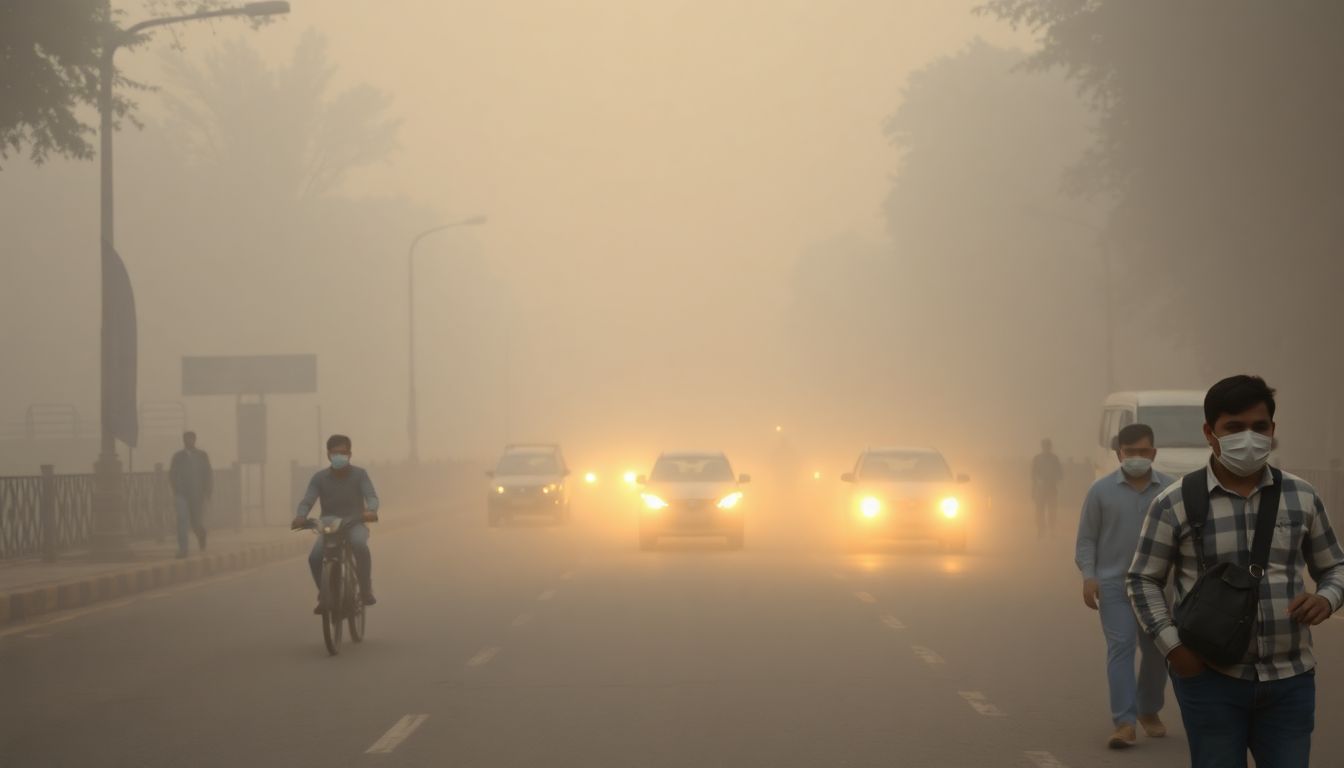
Delhi's air quality deteriorated into the severe category on Thursday morning, with the national capital's overall Air Quality Index touching 482 at 8:01 a.m. While pollution spiked across the city, monitoring data showed the station at Chandni Chowk recorded an AQI of 356, placing the locality in the very poor category.
According to data from the Central Pollution Control Board, seven monitoring stations across Delhi recorded AQI levels above 400, falling into the severe category. Punjabi Bagh recorded the highest level at 446, followed by Narela at 434, Rohini at 431, RK Puram at 416, Bawana at 412, North Campus at Delhi University at 408, and Patparganj at 405.
Several other parts of the capital recorded very poor air quality alongside Chandni Chowk. Both Okhla Phase-2 and India Gate recorded readings of 399, while ITO stood at 397, Dwarka Sector 8 at 396, and Vasundhara Enclave at 330. Lower readings were observed at Anand Vihar, which recorded an AQI of 293, and the IMD Lodhi Road station, which registered 268, placing both in the poor category.
Addressing the pollution spike, Union Environment Minister Bhupender Yadav said the Commission for Air Quality Management was continuously monitoring meteorological conditions, including wind direction, wind speed, and air movement, to take necessary action. Yadav noted that the deterioration occurred despite a drop in stubble-burning incidents in Punjab, Haryana, Rajasthan, and Uttar Pradesh, stating that around 40 per cent of paddy stubble was utilised through ex-situ management.
Medical professionals reported immediate health impacts from the toxic air. Dr Saurabh Mittal, Assistant Professor in the Department of Pulmonary, Critical Care and Sleep Medicine at AIIMS, Delhi, said hospitals are seeing increased symptoms and exacerbations in patients with prior respiratory problems, requiring higher inhaler doses and oral steroids.
Dr Mittal added that previously asymptomatic individuals are now reporting cough, throat irritation, nasal irritation, and shortness of breath. Explaining that winter condensation, vehicular emissions, construction, and stubble burning all contribute to the problem, he noted that the number of affected patients is anticipated to increase over the coming weeks.