DDA to Host Over 20 Stakeholder Meetings on Master Plan for Delhi 2047
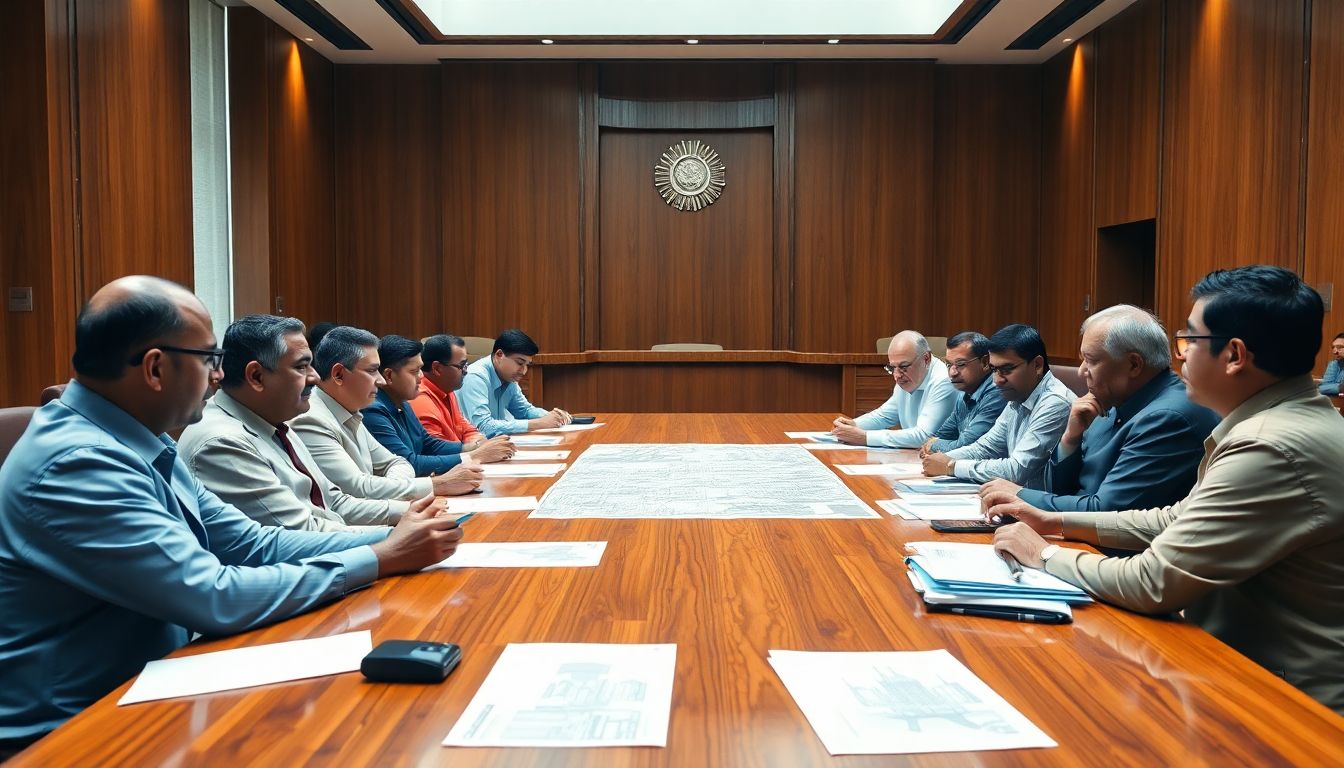
The Delhi Development Authority (DDA) is set to hold more than 20 stakeholder meetings over the next three months to discuss the implementation of the Master Plan for Delhi (MPD) 2047 in New Delhi.
The consultation series is being organized under the directions of Lieutenant Governor TS Sandhu. The initiative aims to enhance coordination and public participation by bringing together elected representatives, government agencies, professional institutions, industry bodies, residents, and landowners.
As part of the outreach, the DDA will consult Members of Parliament and Members of Legislative Assembly on key provisions of the master plan. Discussions with lawmakers will focus on transit-oriented development (TOD), high-density corridors (HDCs), land pooling mechanisms, and low-density areas (LDAs). Separate coordination sessions are planned with various government agencies and civic service providers.
Industry representatives will also take part in the consultations. The DDA plans to hold dedicated sessions with industry chambers, including the Confederation of Indian Industry (CII), Federation of Indian Chambers of Commerce and Industry (FICCI), PHD Chamber of Commerce and Industry, ASSOCHAM, and the Delhi State Industrial and Infrastructure Development Corporation (DSIIDC). These sessions will focus on industrial development policies and land availability across the capital.
Urban planners, architects, and professional institutions will participate in technical discussions concerning transit-oriented development, high-density corridors, and land pooling frameworks.
The DDA will also engage directly with the public through resident welfare associations (RWAs), housing societies, farmers, and local landowners. These broader public meetings will cover a wide range of civic and environmental topics, including the rejuvenation of the Yamuna river, the development of blue-green networks, heritage conservation, mixed-use development regulations, slum redevelopment, urban mobility, and provisions for the education sector.