DDA Approves Redevelopment Policy for Two-Storey Units in Lajpat Nagar
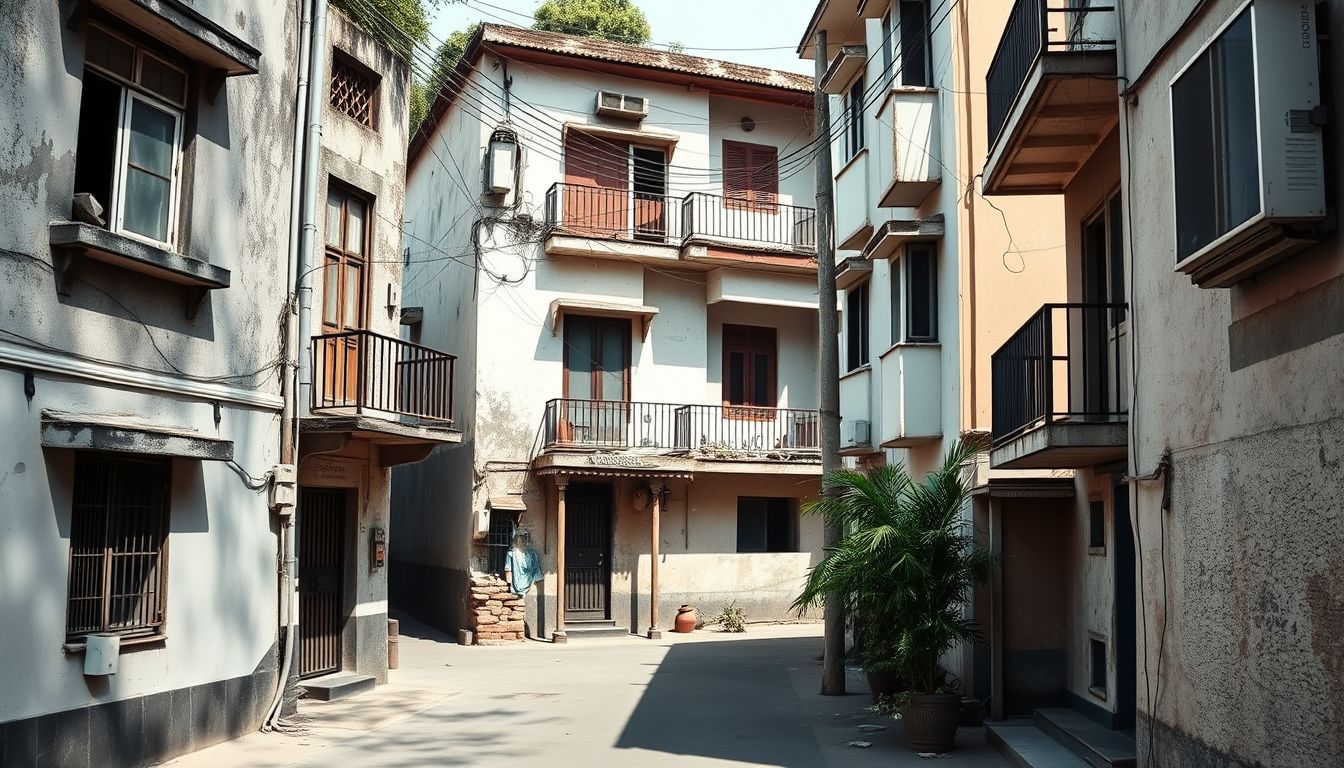
The Delhi Development Authority (DDA) on Wednesday approved a comprehensive policy enabling the reconstruction and redevelopment of two-storey dwelling units built under old housing schemes in Lajpat Nagar and other residential areas across the city.
The decision addresses a long-standing demand from Delhi residents and elected representatives who had been seeking permission to rebuild aging complexes. Developed under the Master Plan Delhi-1962, many of these two-storey units constructed on individual plots are over 50 years old, structurally deficient, and currently in a dire state.
While vacant residential plots in old schemes were governed by prevailing unified building bye-laws and current master plan norms, built-up two-storey units previously lacked a uniform framework for redevelopment. Under the newly approved policy, these built-up units in areas such as Lajpat Nagar, Naraina Vihar, and Green Park have been granted redevelopment rights on a par with vacant plots.
A DDA official stated that the reconstruction of these units will be governed by plot size, prevailing Master Plan for Delhi provisions, structural safety certifications, and compliance with unified building bye-laws. Projects must also adhere to applicable floor area ratio (FAR), ground coverage, height norms, and fire safety requirements.
Property owners can apply for redevelopment after paying conversion charges, betterment levies where applicable, and scrutiny fees based on the size of their plots. The DDA plans to eventually extend this policy across all similarly placed housing schemes throughout the city.
To further simplify the building plan approval process on its plots, the DDA also approved amendments to the Unified Building Bylaws 2016 during a meeting chaired by LG TS Sandhu. The authority decided to de-link the prior requirement of obtaining no-objection certificates from multiple agencies, including the Delhi Pollution Control Committee, Delhi Jal Board, chief inspector of factories, and the forest department, before obtaining building permits.
This deregulation step aligns with the Centre's emphasis on simplifying permission processes and increasing compliance across urban development frameworks.