CPCB Study Links Yamuna Sludge at Wazirabad to Delhi Ammonia Spikes
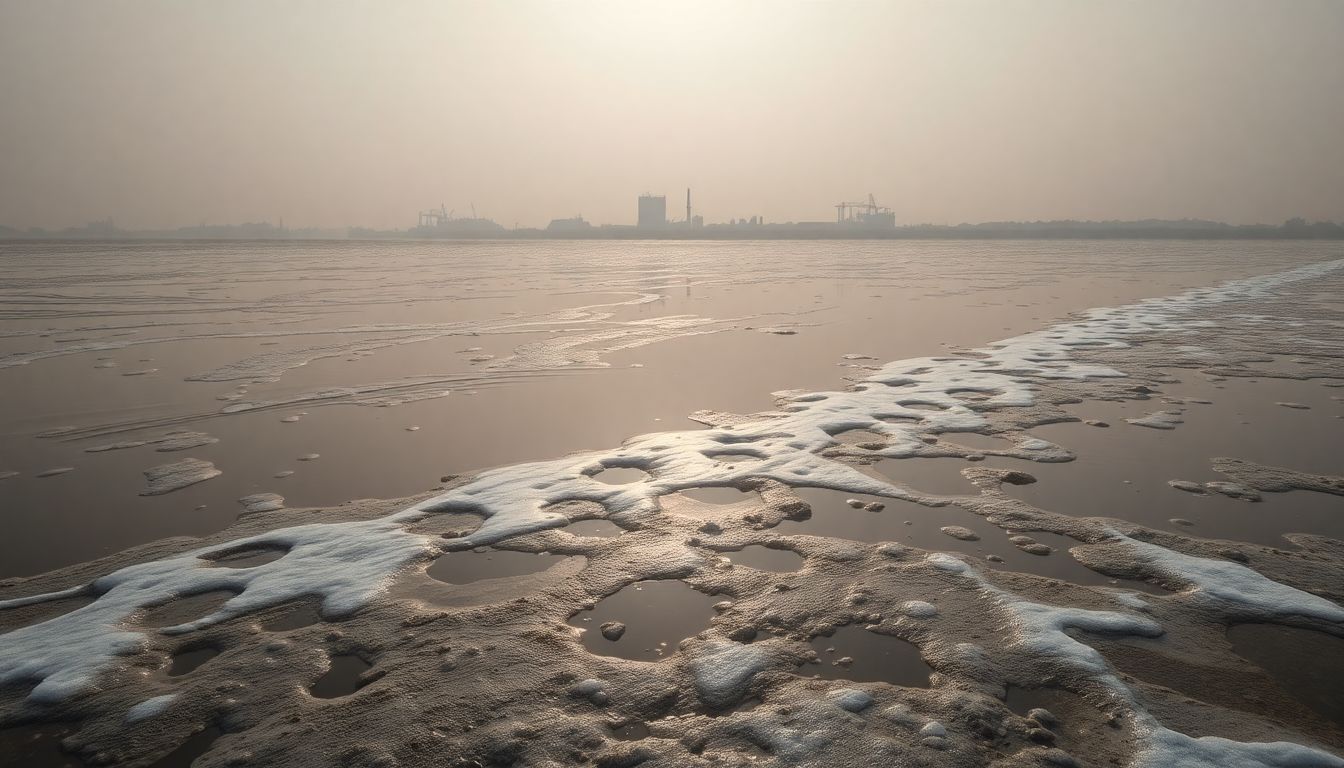
Accumulated sludge in the bed of the Yamuna River at Wazirabad may be contributing to recurring ammonia spikes that have recently disrupted water supply across Delhi, according to preliminary findings from a Central Pollution Control Board (CPCB) study.
The study was initiated at the request of the Upper Yamuna River Board to investigate the causes of recurring ammonia spikes and their impact on the capital's raw water intake. CPCB officials collected water samples from the Wazirabad pondage area during periods when ammonia levels were elevated.
A senior Delhi Jal Board (DJB) official stated that accumulated sludge in the riverbed likely causes the in-situ generation of ammonia. Currently, the DJB can treat raw water with ammonia levels only up to 1 part per million (ppm). When levels rise beyond 1 ppm, processing operations at both the Wazirabad and Chandrawal water treatment plants are adversely affected.
To expand its operational capacity, the DJB is commissioning a new plant at Chandrawal, which will increase its ammonia treatment capacity by four to five times. Officials also reported high ammonia levels in samples collected upstream of Palla, where various drains discharge into the Yamuna during periods of city water supply disruptions.
In response to the accumulation, the DJB approved a major revival project last month to dredge the Wazirabad pondage area up to Ram Ghat. The project involves removing approximately 387,000 cubic metres of silt, with physical work expected to begin after mid-September following the end of the monsoon.
However, officials noted that dredging may only provide temporary relief if nitrogen-rich water continues to empty into the Yamuna from surrounding drains. Long-term improvement will require bringing nitrogen concentrations in drain runoff within acceptable standards, an issue the CPCB will continue to study.
Recent data highlights severe water degradation even in the stretch between Palla and Wazirabad. According to a Delhi Pollution Control Committee report dated August 4, faecal coliform levels at Wazirabad reached 3,500 MPN/100ml against the acceptable standard of 2,500 MPN/100ml or less. Dissolved oxygen was recorded at 3.1 mg/l, below the prescribed level of over 5 mg/l, while biochemical oxygen demand was recorded at under 4 mg/l against a limit of less than 3 mg/l. A total of 22 drains empty into the Yamuna between Wazirabad and Okhla.