
Centre designates three Rouse Avenue courts for NIA trials
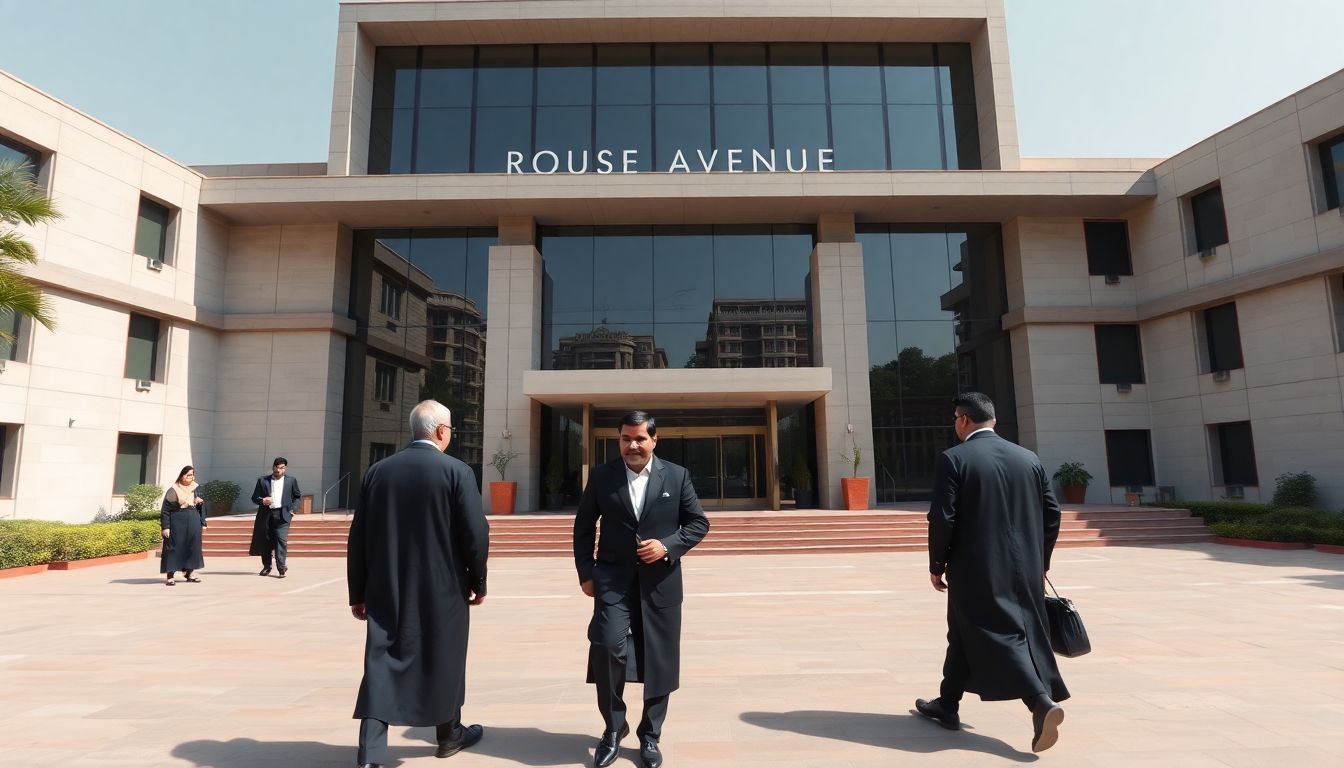
The central government has designated three Special Exclusive Courts at Rouse Avenue Court to exclusively try scheduled offences investigated by the National Investigation Agency (NIA). The move replaces the existing NIA courts functioning at Patiala House Court.
An official notification in this regard was issued on July 24 by the principal secretary of the Ministry of Home Affairs. The notification stated that Special Exclusive Courts 1, 2, and 3 at Rouse Avenue Court will now hear cases investigated by the federal agency. Concurrently, the currently designated NIA courts operating out of Patiala House Court will stand denotified.
As a direct consequence of the Ministry of Home Affairs notification, nearly 55 NIA cases presently pending trial before two special courts at Patiala House Court will be transferred to Rouse Avenue Court. These transferred cases will be distributed equally among the three newly designated special exclusive courts.
Currently, additional sessions judge Prashant Sharma and principal district and sessions judge Pitamber Dutt at Patiala House Court are empowered to hear NIA cases.
The notification noted that these structural changes have been carried out in exercise of powers conferred under Section 11 of the National Investigation Agency Act, 2008. Under this legal provision, the central government is empowered to designate Courts of Session as Special Courts, provided it consults with the Chief Justice of the Delhi High Court.
To support expanding judicial operations, a total of 16 new courtrooms have been constructed at Rouse Avenue Court. Following the designation of three courtrooms for NIA trial cases, the remaining 13 newly constructed courtrooms are yet to be designated for specific judicial proceedings.
At present, Rouse Avenue Court serves as the venue for hearing cases involving sitting and former Members of Parliament and Legislative Assemblies. The court complex also hears corruption and economic offences investigated by the Central Bureau of Investigation (CBI) and the Enforcement Directorate (ED).