Central Panel Approves ₹2,574 Crore Wazirabad Water Network Revamp in Delhi
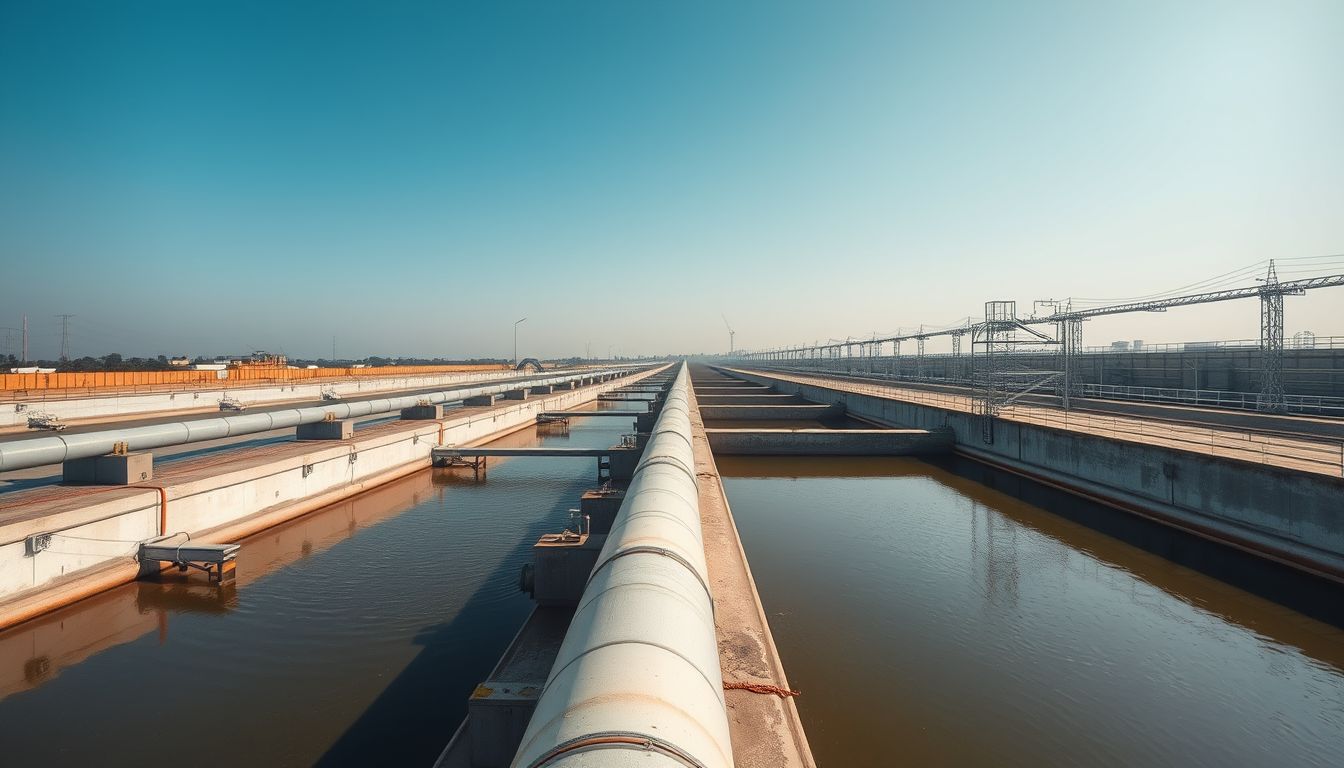
The Department of Economic Affairs screening committee has granted in-principle approval for a ₹2,574 crore project to overhaul the water supply network in the Wazirabad water treatment plant catchment area. Delhi Water Minister Parvesh Verma announced the approval on Monday, moving forward the long-delayed infrastructure initiative that serves localities such as Wazirabad, Burari, Model Town, Jahangirpuri, Punjabi Bagh, and Pitampura.
Assisted by the Asian Development Bank, the project will cover the complete supply chain connected to the Wazirabad plant. Delhi Jal Board officials confirmed that work will include replacing old, damaged, and undersized pipelines, laying new transmission and distribution lines, and upgrading treatment processes, underground reservoirs, and pumping infrastructure.
The Wazirabad treatment plant contributes 13.4% of Delhi's total water supply, serving an estimated population of 2.6 million people. Beyond residential neighborhoods, the plant supplies water to institutional zones and key commercial areas including Sanjay Gandhi Transport Nagar, Shakur Basti, Peeragarhi, and Avantika.
A central focus of the revamp is reducing non-revenue water lost to physical leakages and unauthorized consumption. The Delhi government estimates non-revenue water at 50-52%, driven by an estimated three million illegal water connections across the capital.
The Wazirabad project was first conceptualised in July 2012 at an estimated cost of ₹2,243 crore and received initial approvals in 2013 and 2014. However, repeated execution delays caused the project to stall, leading the Asian Development Bank to withdraw its financial support. The Delhi government revived the initiative last year following discussions with bank officials to secure technical expertise and long-term funding.
Once complete, the Wazirabad upgrade will integrate into a broader citywide digital monitoring network. The Delhi Jal Board plans to set up eight interconnected command centres across Delhi—including Wazirabad and Chandrawal—to track water flow, pressure, and reservoir levels in real time through a common digital platform.
In addition, the Delhi Jal Board is spending ₹88.63 crore on consultancy for a Water Master Plan. Subsequent supply improvement phases for the west and southwest zones are targeted for consultancy rollout by January 2027, followed by the east, northeast, northwest, and south zones in March 2027.