CBI Chargesheet Details NTA Security Flaws in NEET-UG 2026 Leak Case
A 94-page chargesheet filed by the Central Bureau of Investigation in the NEET-UG 2026 paper leak case has detailed major process flaws, absence of frisking, and surveillance lapses at the National Testing Agency headquarters in the NSIC Building in Delhi's Okhla area.
The CBI named subject experts PV Kulkarni, Manisha Mandhare, and Manisha Havaldar as the primary sources behind the paper leak conspiracy. The investigation revealed that the accused experts had signed confidentiality declarations but subsequently retained, reproduced, and circulated confidential questions prior to the examination.
According to the chargesheet, the process followed by the testing agency allowed multiple experts full access to final question papers across various stages of preparation. While guidelines ideally require restricting single-expert visibility over final question sets, the agency permitted individual experts to see all four final master sets during the translation and back-translation stages, as well as the moderation stage.
Investigators alleged that accused chemistry expert PV Kulkarni used plain rough sheets supplied inside the confidential section to note down all 135 chemistry questions in brief on small chits. For simpler questions, Kulkarni memorized the content and transcribed it into a book after returning to a hotel room at the end of the day.
In another instance cited by the agency, botany expert Manisha Mandhare repeatedly consulted NCERT textbooks while translating questions. Drawing on decades of experience, Mandhare correlated confidential questions with specific textbook paragraphs and recorded them.
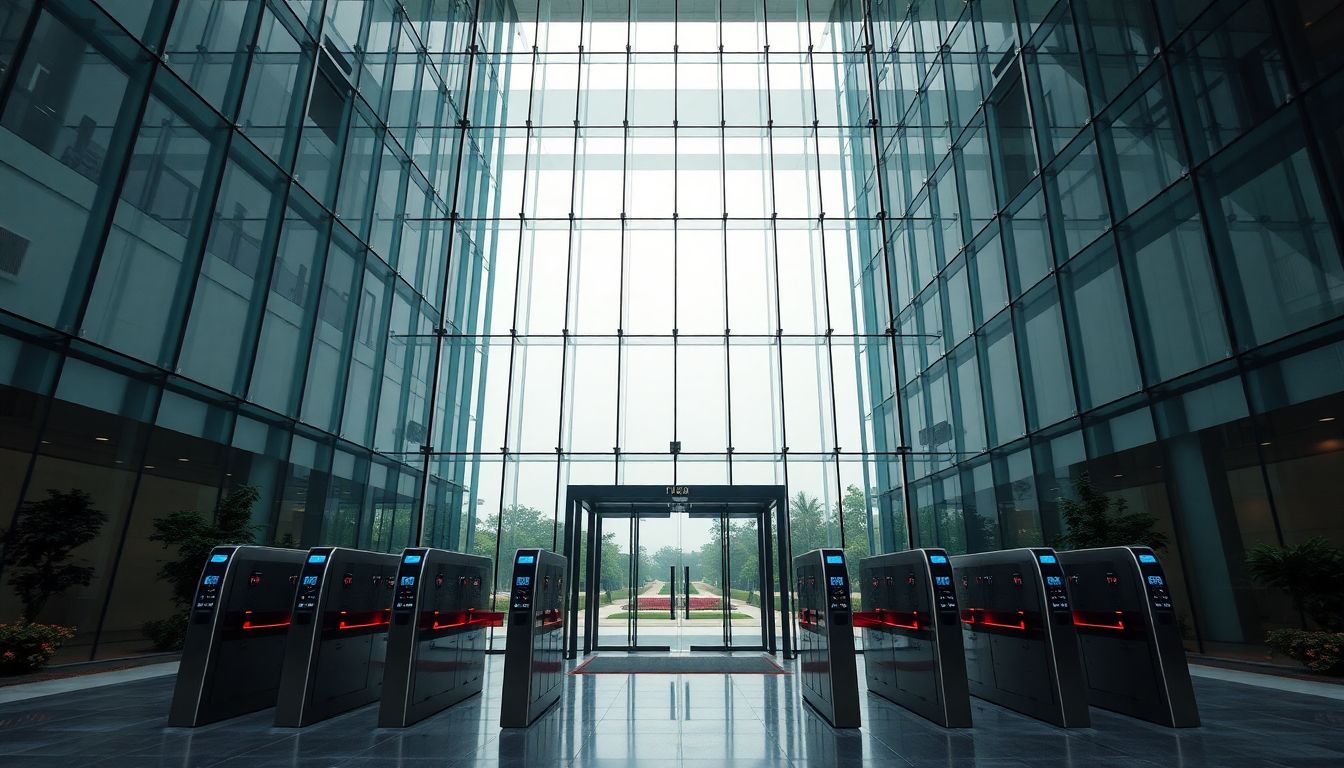
The chargesheet flagged critical security and surveillance failures at the Okhla facility. Experts working inside the confidential section were not subjected to any routine frisking or checking upon entry or exit. Additionally, the NTA operated without a dedicated live feed CCTV monitoring control room, allowing the actions of experts inside the confidential hall to go completely unnoticed.
The CBI also discovered that CCTV footage inside the confidential section was preserved for only 20 to 25 days. Since confidential preparation work concluded on April 7 and the official case was registered on May 12, relevant video recordings from the paper-setting period were no longer available for investigation.