CAQM to Ban New Fuel-Based Light Goods Vehicles in Gurugram from July 2027
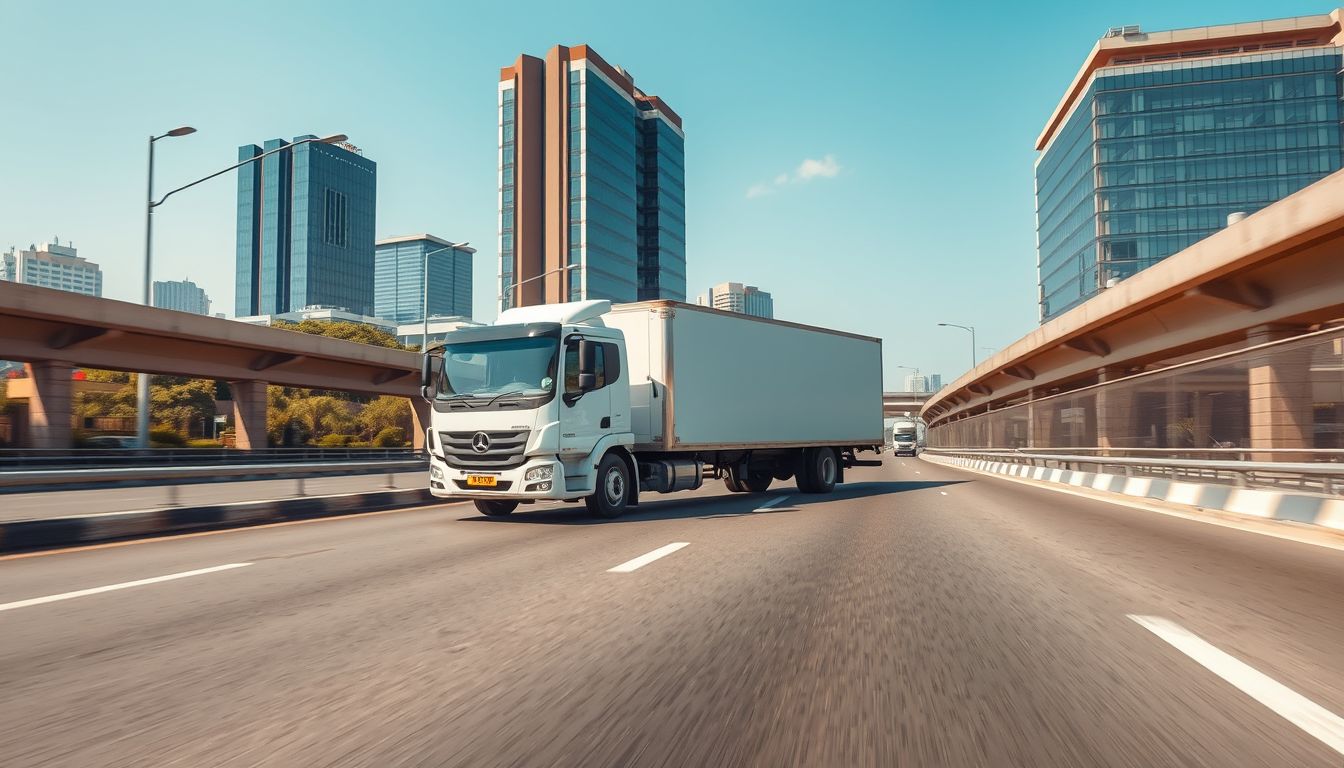
The Commission for Air Quality Management in National Capital Region and Adjoining Areas (CAQM) has announced a phased ban on the registration of new petrol, diesel, and CNG light goods vehicles (LGVs) across Delhi and the wider National Capital Region, with the restrictions set to take effect in Gurugram from July 1, 2027.
Under the directive, registration of smaller petrol, diesel, and CNG LGVs will be prohibited in Gurugram, Faridabad, Sonipat, Ghaziabad, and Gautam Buddha Nagar starting July 1, 2027. Following this deadline, only electric smaller LGVs or mini pick-up trucks will be permitted to ply in these cities. Delhi will implement the same prohibition earlier, starting January 1, 2027. In the remaining NCR districts, the ban on smaller petrol and diesel LGVs will apply from January 1, 2028, while both electric and CNG options will continue to be allowed.
The CAQM has classified LGVs into two distinct categories based on weight. Category N1 covers smaller LGVs with a gross vehicle weight of up to 3.5 tonnes, while Category N2 covers larger LGVs with a gross vehicle weight above 3.5 tonnes and up to 7.5 tonnes.
For the larger N2 category, the ban will roll out under a subsequent timeline. In Gurugram, Faridabad, Sonipat, Ghaziabad, and Gautam Buddha Nagar, the registration ban on petrol, diesel, and CNG vehicles in this category will take effect on July 1, 2028, leaving electric models as the only permitted option. Delhi will enforce the N2 ban from January 1, 2028, whereas the rest of the NCR districts will ban petrol and diesel N2 vehicles from January 1, 2029, while continuing to permit CNG and electric models.
The regulatory authority stated that the intervention was necessary because pollution generated by LGVs is disproportionate to their total presence on the roads. According to the order, LGVs account for approximately 1.2 percent of the active vehicle stock across the NCR but contribute roughly 3.3 percent of particulate matter (PM) emissions. The panel noted that steering future sales toward cleaner technologies is critical to prevent the long-term accumulation of high-emitting commercial vehicles.
The CAQM also clarified its rationale for including CNG vehicles in the prohibition for major urban centers, noting that while CNG reduces primary particulate emissions compared to diesel, it continues to generate substantial nitrogen oxide (NOx) emissions, which serve as a key precursor to secondary PM2.5 formation.