Ayatollah Khamenei and Dignitaries Attend Funeral of Slain Iranian Leader in Tehran
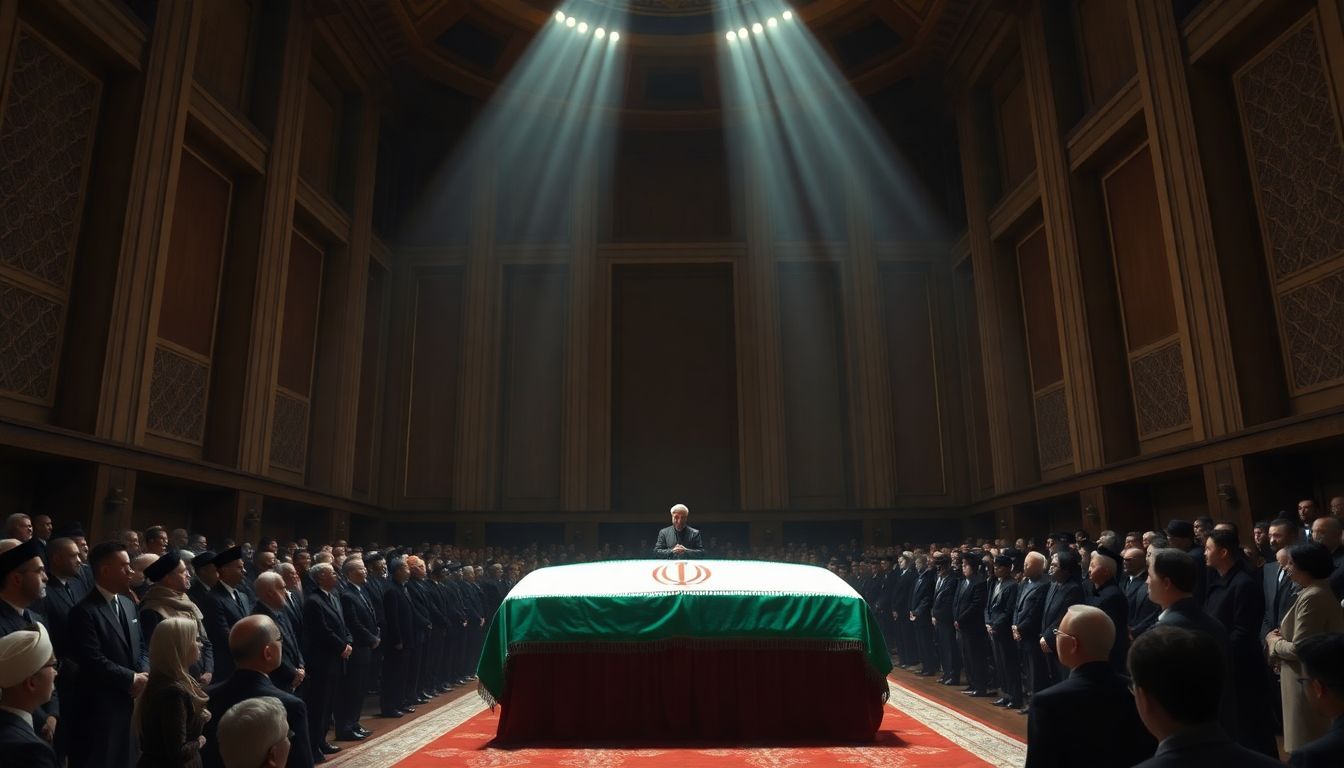
TEHRAN, Iran — Teary-eyed Iranian officials and foreign dignitaries gathered in Tehran to pay their respects during a funeral service for a slain Iranian leader. The service, attended by prominent figures including Ayatollah Khamenei, comes at a time of heightened geopolitical tensions across the Middle East.
The funeral has brought together various Iranian officials and foreign representatives who offered their condolences. The atmosphere at the ceremony was marked by grief, with many officials seen teary-eyed as they paid their final respects to the late leader.
The death of the leader has triggered widespread concern over a potential escalation of conflict in the region. Specifically, the situation has intensified worries regarding a direct confrontation between the United States and Iran.
In addition to the threat of a US-Iran conflict, security concerns have risen sharply regarding the Strait of Hormuz. The strait is a vital maritime route, and any disruption there could have significant international implications.
The ongoing geopolitical tensions have also brought attention to Donald Trump, who was referenced in connection with the escalating friction between the nations. The potential for further escalation remains a primary concern for officials and international observers tracking the developments in Tehran.
As foreign dignitaries and local leaders departed the service, the focus turned to how the region will navigate the heightened security risks. The loss of the leader and the subsequent gathering in Tehran highlight the volatile state of current Middle East relations, with many fearing that the situation could deteriorate into a larger conflict.
The gathering of both domestic officials and international representatives in Tehran underscores the perceived gravity of the leader's death. Observers note that the presence of foreign dignitaries at the funeral service reflects the international dimensions of the ongoing situation.
With Ayatollah Khamenei and other high-ranking figures attending, the event served as a significant focal point for the nation. The grief expressed by the teary-eyed officials highlighted the impact of the loss on the country's political establishment.
Meanwhile, the potential for a wider US-Iran conflict continues to loom over the region. The reference to Donald Trump in the context of these geopolitical tensions highlights the ongoing friction between Washington and Tehran. The security of the Strait of Hormuz remains a critical point of concern, as any escalation could directly impact the strategic waterway and broader regional stability.