Amitabh Kant Urges CAQM to Extend Delhi EV Policy to Noida and NCR
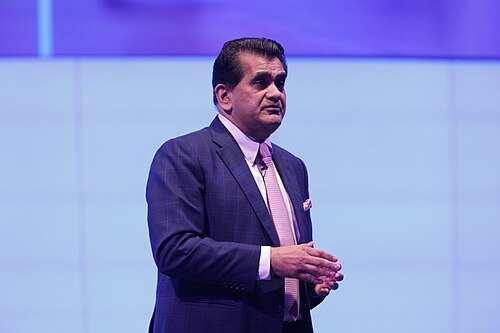
Delhi's electric vehicle policy must be expanded across the National Capital Region to prevent polluting commercial and private vehicles from simply being registered in neighbouring cities like Noida, former NITI Aayog CEO Amitabh Kant said on Monday. Speaking at the closing plenary session on the first day of Urban Adda 2026, Kant urged the Commission for Air Quality Management to ensure uniform adoption across adjoining states.
Kant commended Delhi's decision to halt registrations of new CNG three-wheelers and light goods vehicles starting next year, alongside a ban on new petrol two-wheelers from 2028. Describing the move as historic, he noted that it establishes a firm timeline for phasing out internal combustion engine vehicles in key urban transit segments.
However, Kant warned that disparate regulations across state lines would undermine clean air initiatives. He pointed out that if Delhi bans the registration of internal combustion engine three-wheelers, dealers and buyers will simply shift purchases across the border to Noida or Gurugram, after which the vehicles will continue to enter Delhi. He called on CAQM to coordinate rules across Haryana, Uttar Pradesh, and Rajasthan, while also including Punjab, insisting that air quality management must align with the natural airshed rather than administrative boundaries.
Arguing that the future of transport is electric, Kant noted that declining battery costs and reduced total ownership expenses have made electrification economically viable. Because Indian mobility is dominated by two-wheelers, three-wheelers, and buses, he stressed that these segments can transition relatively quickly. He called for a massive deployment of electric mobility, including thousands of electric buses, lakhs of electric two- and three-wheelers, electrified delivery and aggregator fleets, and robust charging networks.
Kant also asked CAQM to draft a dedicated roadmap to electrify agricultural tractors and construction machinery, highlighting that these emission sources are frequently overlooked in regional pollution strategies.
Backing the push for coordinated regional action, CAQM Chairperson Rajesh Verma stated that addressing vehicular emissions requires enforcement across entire airsheds rather than isolated borders. Verma said the commission is working with state governments to ring-fence high-density traffic corridors, mandate clean fleet transitions, and expand continuous real-time monitoring to secure cleaner air across the region.