1984 Riots Survivors in Lajpat Nagar and Across Delhi React to Sajjan Kumar's Death
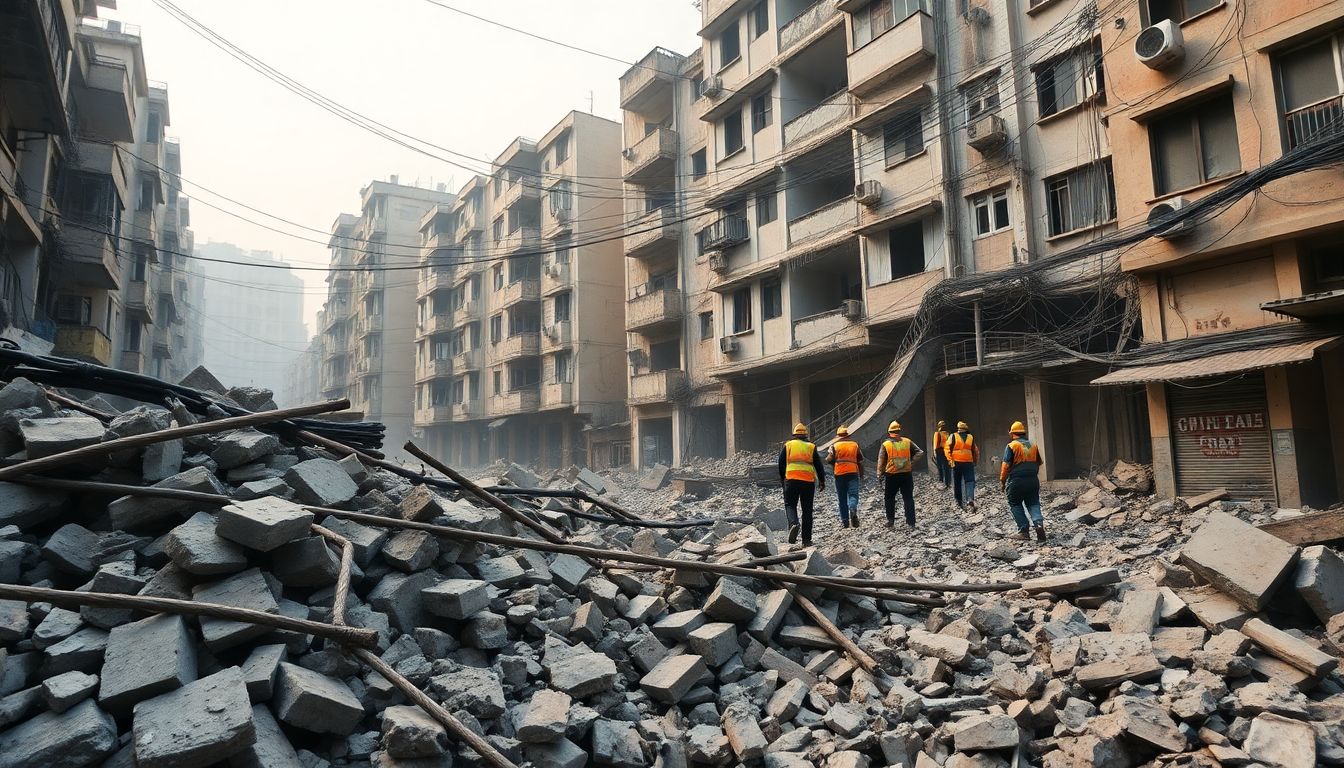
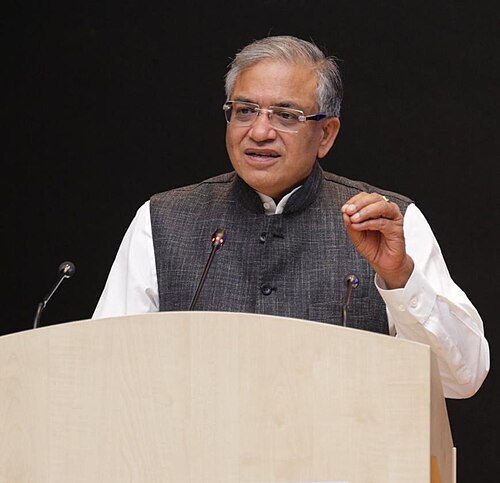
The death of former Congress MP Sajjan Kumar on Thursday, August 20, 2026, has brought back painful memories for survivors of the 1984 anti-Sikh riots across Delhi, including residents with ties to Lajpat Nagar.
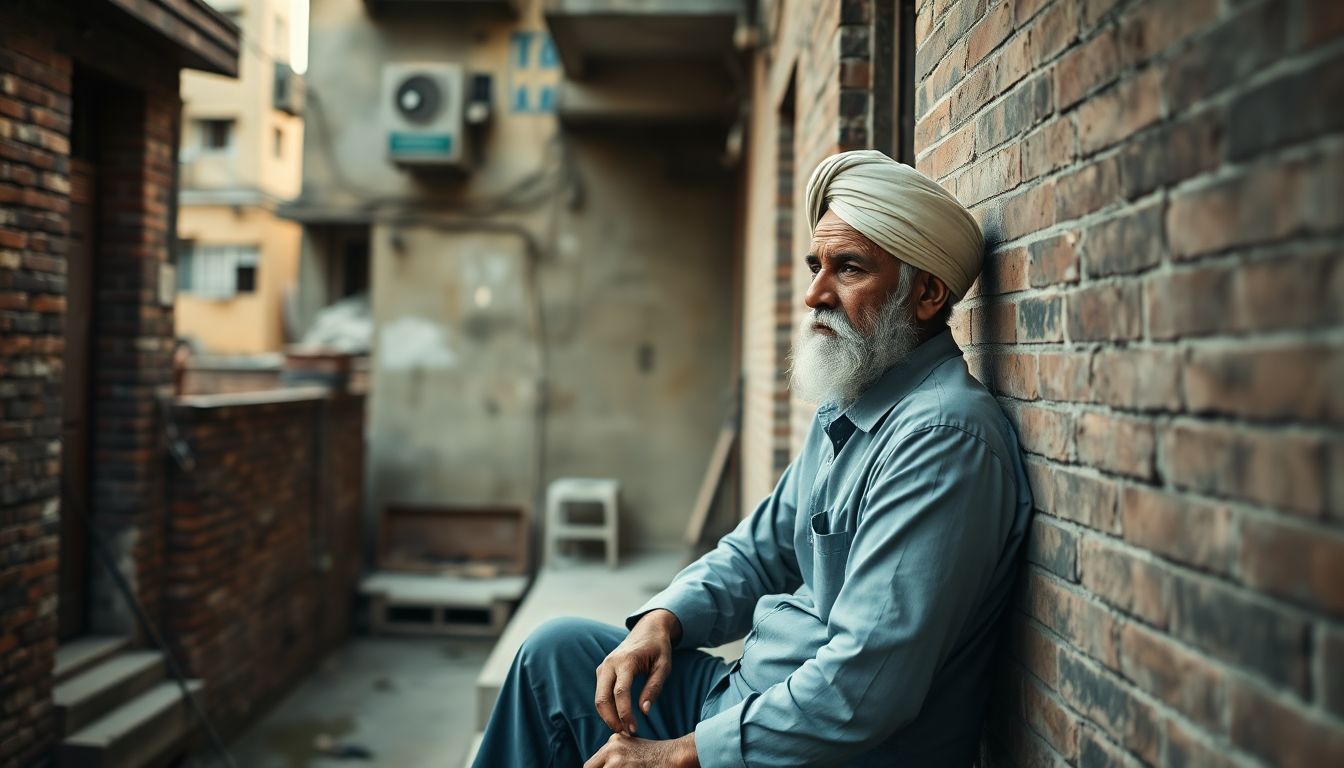
For 60-year-old car driver Harpal Singh, the news revived the trauma he experienced as a 15-year-old who had moved from Amritsar to Delhi barely a month before the violence. Living at a relative’s house in Lajpat Nagar while learning to drive, Mr. Singh witnessed mobs attacking Sikh men. He noted that he escaped because he did not wear a turban or have a beard, while his turbaned relatives hid in an alleyway room.
Other eyewitnesses across the capital also recalled the violence following the assassination of Prime Minister Indira Gandhi on October 31, 1984. Anand Banerjee recounted how violence began in Kidwai Nagar, where a Sikh general store and a colony gurdwara were torched, and two buses outside the market were set on fire, killing and injuring people.
For Jagdish Kaur, whose testimony led to Kumar’s conviction by the Delhi High Court in 2018, the news brought back the events of November 1, 1984, in Palam’s Raj Nagar. A mob beat her husband, Kehar Singh, an Army gun-fitter, to death inside their home, while her 18-year-old son, Gurpeet Singh, was caught and burnt alive by another mob. One cousin was also killed, and two others disappeared.
Ms. Kaur said the local police were complicit, recalling that the Station House Officer was alongside the mob and that Kumar was present at the police station instigating violence. She stated that the First Information Report was only registered on November 3, after the bodies of her husband and son had remained at home for three days.
Delhi Sikh Gurdwara Management Committee president Harmeet Singh Kalka said Kumar’s death brought mixed emotions for victims' families. He stated that while families who waited decades for justice felt relief that a prominent accused was no longer alive, there remained deep anguish that he did not live to face the ultimate punishment for his crimes.